

By Emma Léger.
Endometriosis is a condition that causes chronic pain in approximately 1 in 10 people that menstruate, yet it is still under researched and misdiagnosed. The treatment and diagnosis of endometriosis and the barriers to care are best understood through an intersectional lens that considers how different social identities shape experiences with the health care system and the perception of pain itself.
The Intersectional Nature of Endometriosis
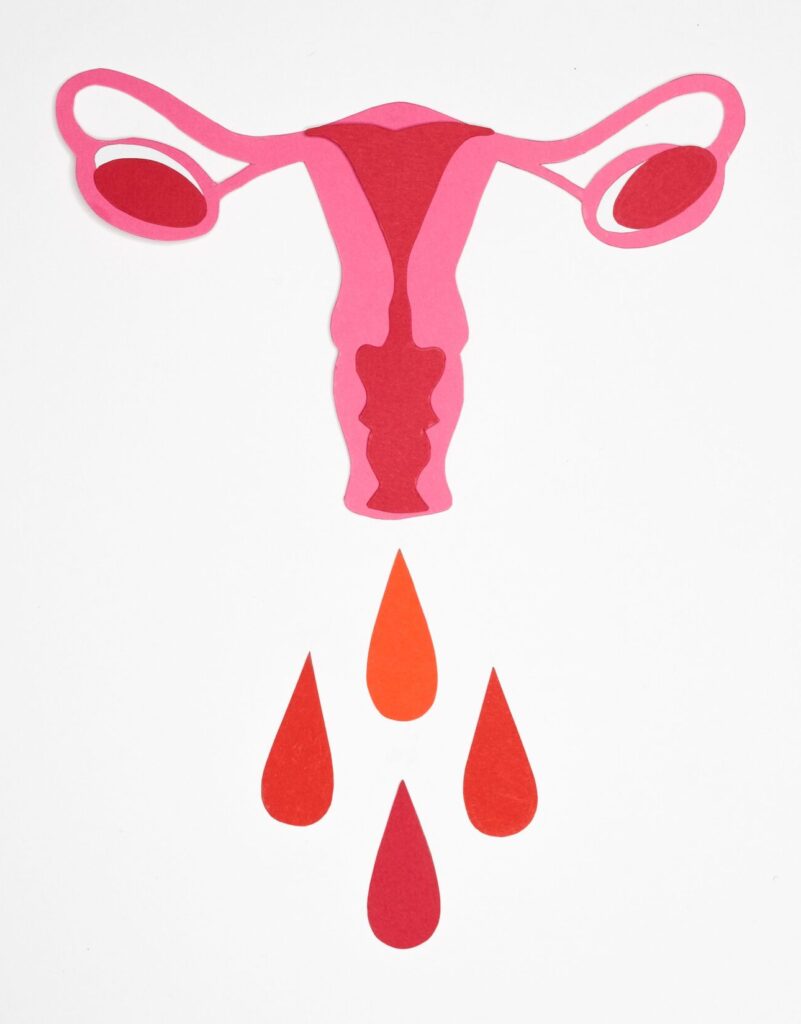
Endometriosis, a chronic gynecological condition that causes symptoms such as severe chronic pain, infertility, painful sex and heavy bleeding impacts approximately 1 in 10 people that menstruate yet is still highly under researched and misdiagnosed. A chronic health issue such as endometriosis is best understood through an intersectional lens. Intersectionality, as coined by Kimberly Crenshaw, refers to the ways in which multiple forms of oppression compound, resulting in layered discrimination. For example, a queer woman of colour faces not only the discrimination of being a person of colour, but also that of being a woman, and being queer. It is not helpful to focus on one social issue without considering how it is impacted and shaped by others.
What may seem like a personal problem to some, such as the experience of health issues like endometriosis, is actually shaped by larger structures of power. In other words, in order to better understand the experience of endometriosis and the way it impacts the lives of so many people, it is imperative to understand how factors such as race, gender and class impact the diagnosis of endometriosis and the ways in which it is misunderstood and dismissed.
Gendered Experiences
Some scholars suggest that endometriosis has been ‘wilfully ignored’ and not prioritized in research or treatment. Endometriosis is not only often misdiagnosed but there is usually a delay in the onset of symptoms and diagnosis. The societal attitudes and beliefs surrounding menstruation and what is considered ‘normal’ to experience during menstruation is a significant factor that impacts how and when people ask for help. The normalization of pain relating to menstruation leads to the belief that pain is to be expected during menstruation and it is simply a part of the experience, despite the pain being debilitating for some. Furthermore, the common availability and marketing of short-term pain relief medication specifically targeted at relieving period pain reinforces the message that this is an expected part of menstruation. Additionally, due to the normalization of menstrual pain, it is often deemed as something that women and those that menstruate are responsible for managing on their own.
One of the most common types of pain associated with endometriosis is pelvic pain. However, because pelvic pain is most commonly associated with sexual health, menstruation and fertility, it is often forgotten or ignored in research. Because pain for women is considered more ‘natural’, as well as the belief that women are expected to be more likely to report pain than men, this leads to women’s complaints of pain being taken less seriously. Because the standardization of health has historically been masculine and research and studies have been conducted with men as the subjects, this leads to health issues that primarily involve women slipping between the cracks or being mistakenly reduced to mental illness or a lack of self-care. Endometriosis and the experience of pain is simply one part of the overarching societal attitudes and assumptions about the bodies of women that question the validity of their own experiences.
Mental Health Impact
The mental health impacts of both the condition of endometriosis and the barriers that are faced in seeking a diagnosis are significant. Although the dismissal and rejection of endometriosis has impacted the ways in which the scope of the condition is understood to impact those diagnosed, endometriosis has been strongly linked with a risk of mental health conditions and disorders such as anxiety, depression and bipolar disorder in addition to physical health conditions. Due to the experiences of those with endometriosis being frequently dismissed and misunderstood, this can lead to the exacerbation of mental distress felt by those impacted as well as feeling alone. Endometriosis has a significant impact on the quality of life of those effected, jeopardizing their body image and intimate relationships as well as taking a social and economic toll. Due to the similarities between the societal discourses surrounding endometriosis and historical mental health conditions such as hysteria, which deemed women “unstable, gender deviant and unable to bear children”, scholars suggest that many cases of hysteria may have actually been undiagnosed cases of endometriosis. This would mean that because of sexism and myths and misunderstandings about women and their health, women that needed help to manage their chronic pain were subjected to inhumane conditions and reduced to social pariahs.
Barriers to Care
Barriers to accessing care begin even before someone decides to seek out treatment. The perception of pain itself and how it is expressed differs by gender, race, age and ethnicity. In fact, studies show that medical professionals systematically treat black and brown women’s pain as less severe than their white counterparts. Therefore, it is important to consider how someone’s identity shapes their experience in the healthcare system. An important factor in the treatment and diagnosis of endometriosis is the willingness of a person to ask for help, recognizing that there is an issue in the first place and their access to health care. It is essential to consider that those who face societal discrimination based on their race, ethnicity or socioeconomic status are more likely to have feelings of mistrust toward the medical system and in healthcare providers, which impacts their decision to seek out care. People with lower socio-economic backgrounds are more likely to believe that their pain will not be taken seriously by a health professional. Racial and ethnic minorities may also experience barriers to receiving care such as cost, transportation and difficulty communicating due to language barriers.
Conclusion
Endometriosis is a chronic condition that has a significant impact on those affected yet is widely misunderstood and under researched. It is impossible to understand the difficulty of receiving diagnosis and treatment without considering intersectionality and the ways in which different identities impact each other and change the ways in which people experience the world, what education or information they are exposed to, how they navigate the health care system and how they identify their pain. Many of the inequalities in the current health care system stem from gendered experiences, in which women’s pain is naturalized and not taken as seriously as men’s. Due to the ways in which studies and research are conducted and focused with men as subjects, women’s experiences and symptoms are often left out and ignored. Additionally, endometriosis takes a significant mental toll on those impacted, leading to burn out and less people willing to seek help because of feeling isolated and alone. Furthermore, due to their experiences, ethnic and racial minorities may have feelings of mistrust toward medical professionals and the health care system as a whole that prevent them from seeking help and identifying the extent of their pain. Class and socio-economic status is also a factor, as many people of lower socio-economic status believe that their pain will not be taken seriously in addition to facing barriers in the form of cost and transportation. By utilizing an intersectional lens, it is easier to identify the far-reaching impacts of endometriosis that go further than the physical experience of pain but affect other areas of life and to see how social identities interact and impact each other.

This article was written by Emma Léger, as part of The Red Pen Collective writing group created by Monthly Dignity.
 EN
EN  FR
FR